
More Than 30 Years of Science Serving Justice
From a bold idea with one employee and $1,500 to a nationally recognized forensic science organization, NFSTC has spent more than three decades advancing the science, strengthening the profession, and building capabilities to meet evolving challenges.
What began as a commitment to support the nation’s crime laboratories has grown into a mission reaching across forensic science, law enforcement, public safety, national security, and communities around the world.
NFSTC's early years, St. Petersburg, FL
A Simple Charge: “Do Good Things”
Where It All Began: One Big Idea
In 1995, leaders within the American Society of Crime Laboratory Directors recognized a need for an organization dedicated to strengthening the quality and consistency of forensic science services in the nation’s crime laboratories. From that vision, the National Forensic Science Technology Center was born.
NFSTC began modestly as a nonprofit organization with one staff member, $1,500 and offices at St. Petersburg College in St. Petersburg, Florida. Its charge was remarkably simple: “do good things” for the forensic science community.
Those early years were spent building the foundation for what NFSTC would become: an organization focused on practical solutions, stronger forensic capabilities, and giving practitioners the knowledge and resources they needed to do their work effectively.
What began small was never intended to stay small.
1 employee • $1,500 • One big idea
Building a National Resource
From a Small Beginning to a National Reach
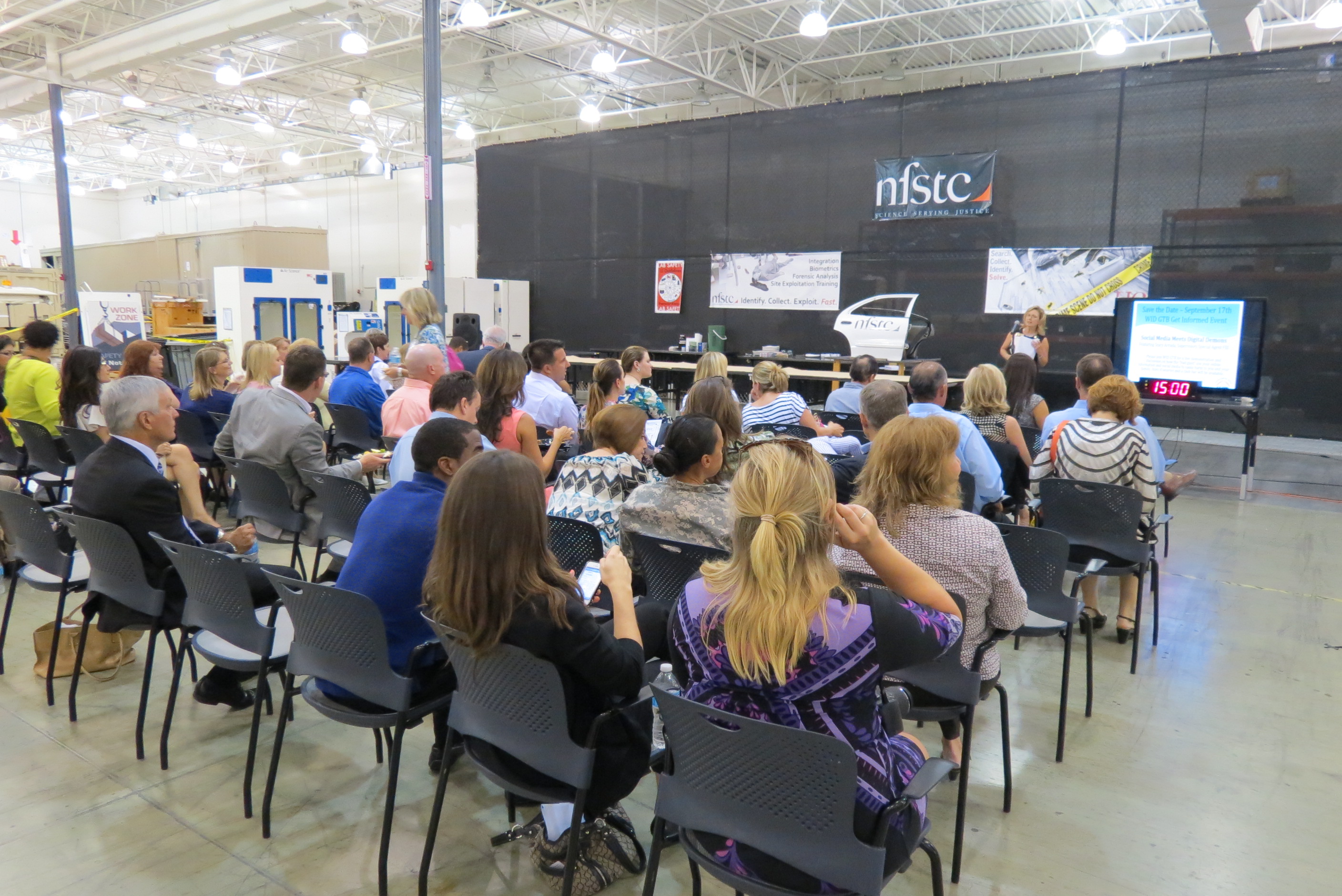
As NFSTC grew, so did its role within the forensic science community. What began as an effort to strengthen crime laboratory practices evolved into a national resource providing training, technical assistance, technology evaluation and practitioner support to agencies and laboratories across the country.
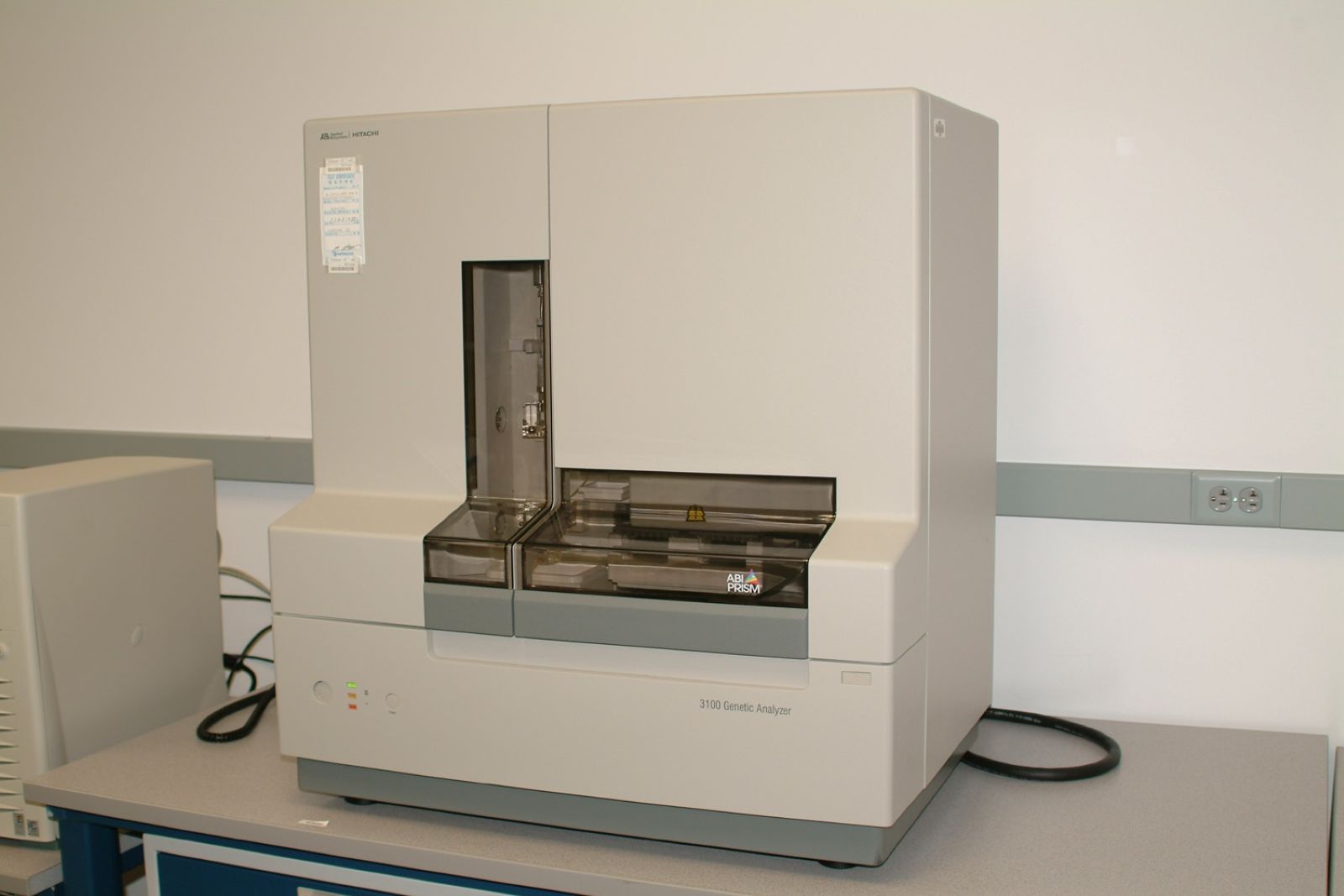
NFSTC scientists and specialists worked across forensic disciplines to translate emerging science, technologies and standards into resources practitioners could use. Training programs, workshops, technical evaluations and educational materials helped forensic professionals build skills, strengthen laboratory capabilities and keep pace with a rapidly changing field.
The mission also began reaching beyond the traditional crime laboratory. NFSTC expanded its expertise to support law enforcement, government agencies, Department of Defense customers, private laboratories and industry, laying the foundation for the diverse mission support the organization provides today.
Our Reach Was Growing
TRAINING • TECHNICAL SUPPORT • TECHNOLOGY EVALUATION • PRACTITIONER RESOURCES

Turning Expertise Into Impact
As NFSTC's capabilities grew, the organization took on increasingly complex national initiatives by developing programs, resources and tools designed to solve real challenges facing forensic professionals, investigators and the communities they serve.
2005 | BUILDING THE FORENSIC WORKFORCE
Advancing DNA Analyst Training
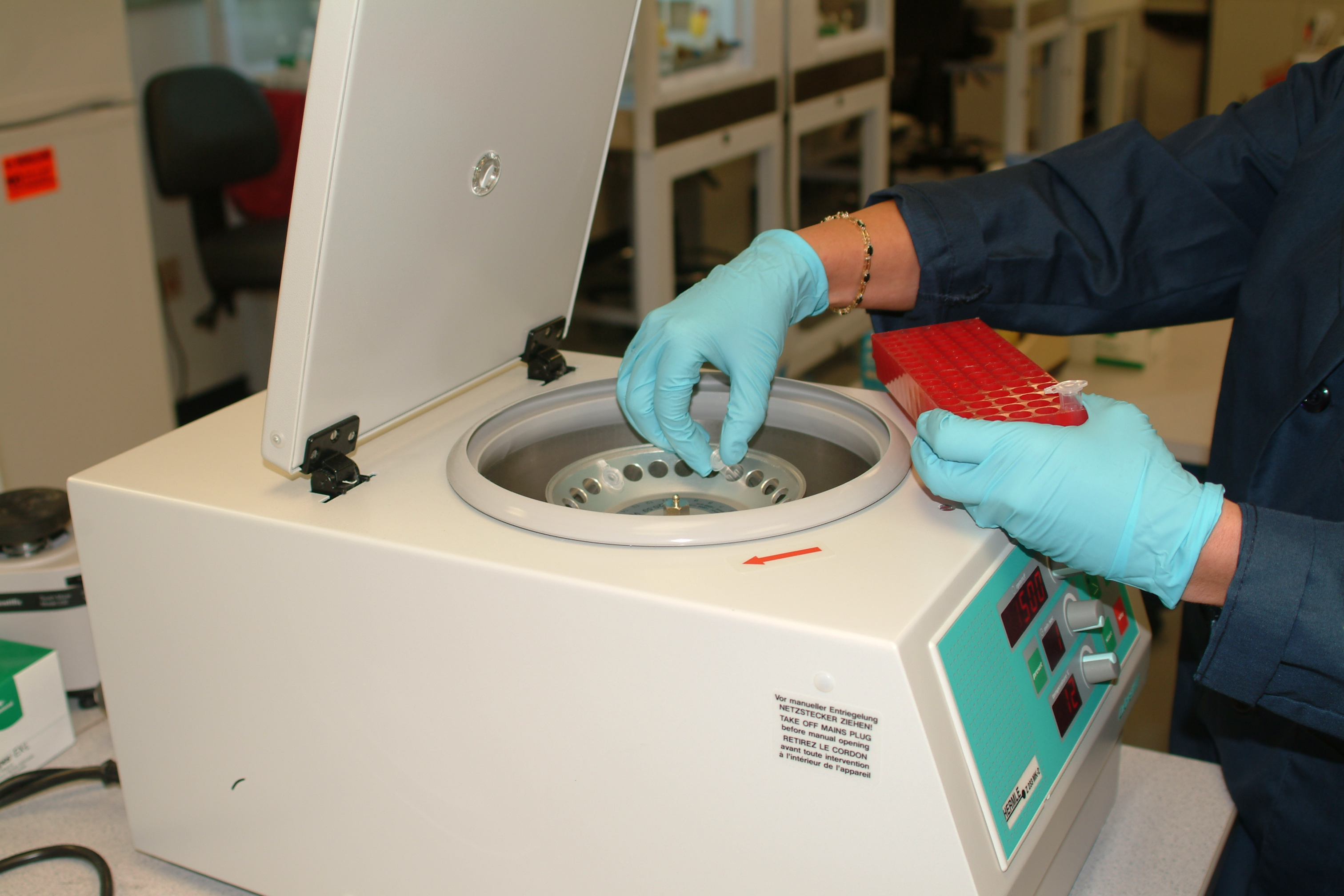
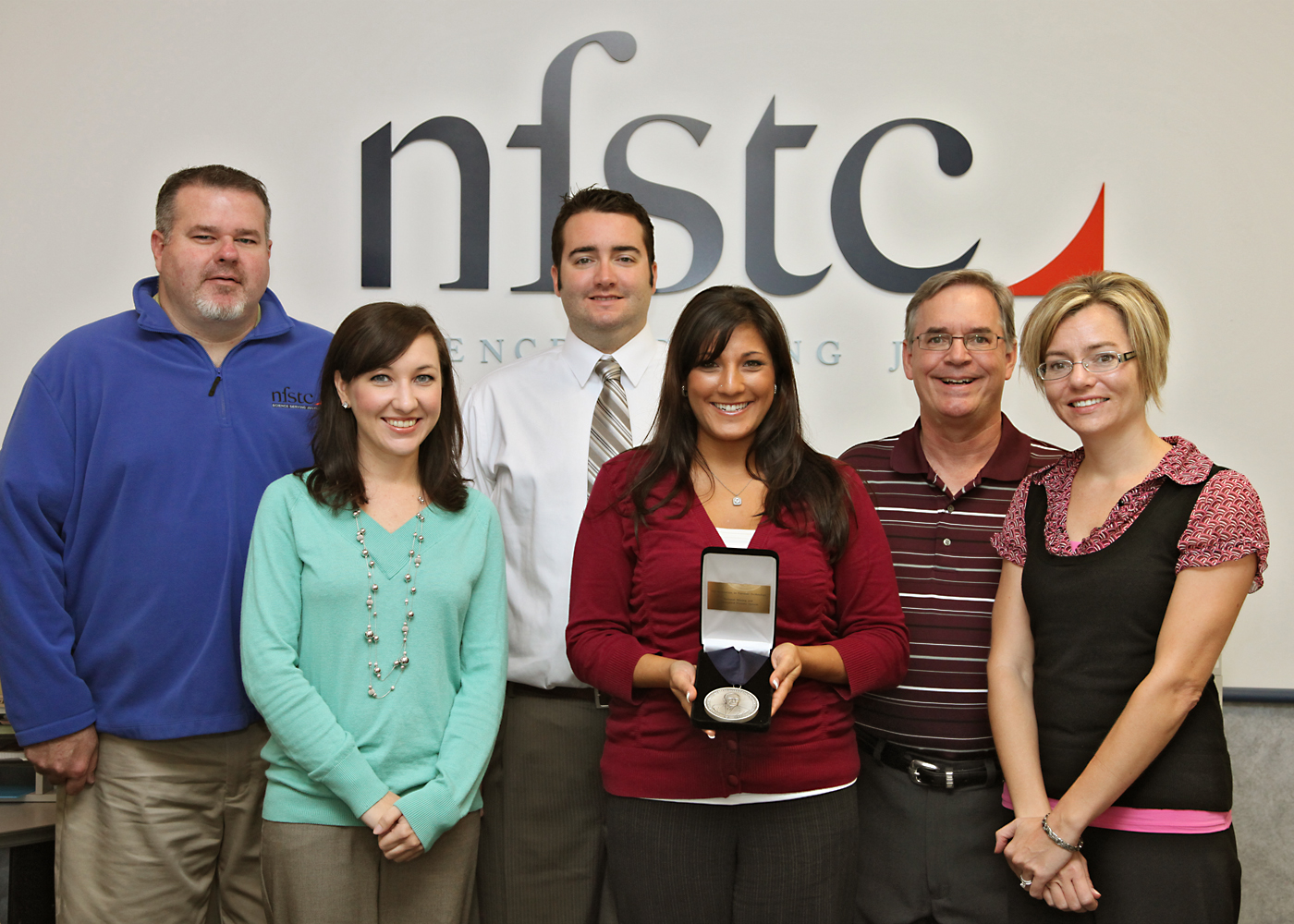
NFSTC developed a comprehensive theoretical training program for forensic DNA analysts for the National Institute of Justice, helping laboratories prepare scientists for the increasingly complex demands of forensic DNA casework.
The program created a consistent foundation of knowledge for analysts and technicians. An investment in the forensic workforce that continues today through NFSTC's modernized DNA training program.
2005–2011 | TECHNOLOGY IN SERVICE OF JUSTICE
Helping Build NamUs
NFSTC worked with the National Institute of Justice to develop, deliver and operate the National Missing and Unidentified Persons System (NamUs), helping transform the way missing and unidentified persons cases could be connected across jurisdictions.
Launched in 2009, NamUs brought forensic science, technology and information-sharing together in a national system designed to help investigators resolve cases and provide answers to families searching for missing loved ones.
2007–2013 | KNOWLEDGE INTO PRACTICE
Strengthening Crime Scene Investigation
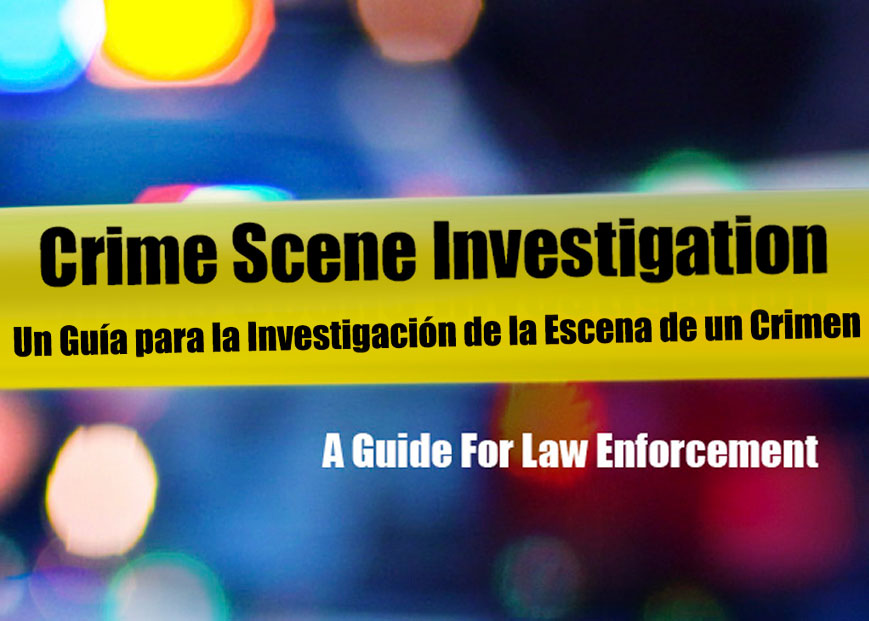
Working with experienced crime scene professionals and support from the U.S. Department of Justice, NFSTC developed the Crime Scene Investigation Guide, a comprehensive, step-by-step resource designed to strengthen the way law enforcement professionals approach the critical first stages of an investigation.
The guide reflects a principle that has remained central to NFSTC's work: scientific knowledge has the greatest impact when practitioners can put it into practice.
2007–Present | FORENSICS IN THE OPERATIONAL MISSION
Supporting Defense and National Security
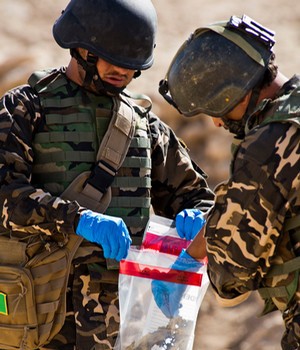
When the defense community sought new ways to integrate forensic science into operational missions, NFSTC answered the call. We helped pioneer the adaptation of forensic processes and technologies for field environments, developing practical approaches that enabled service members to collect, preserve and process materials while balancing evidence integrity, intelligence requirements and operational demands.
That work established an enduring area of NFSTC expertise. Today, we continue to support defense and national security missions through specialized training, technology evaluation, capability development, and dedicated scientific and technical reach-back support.
A New Chapter
2018 | NFSTC Joins Florida International University
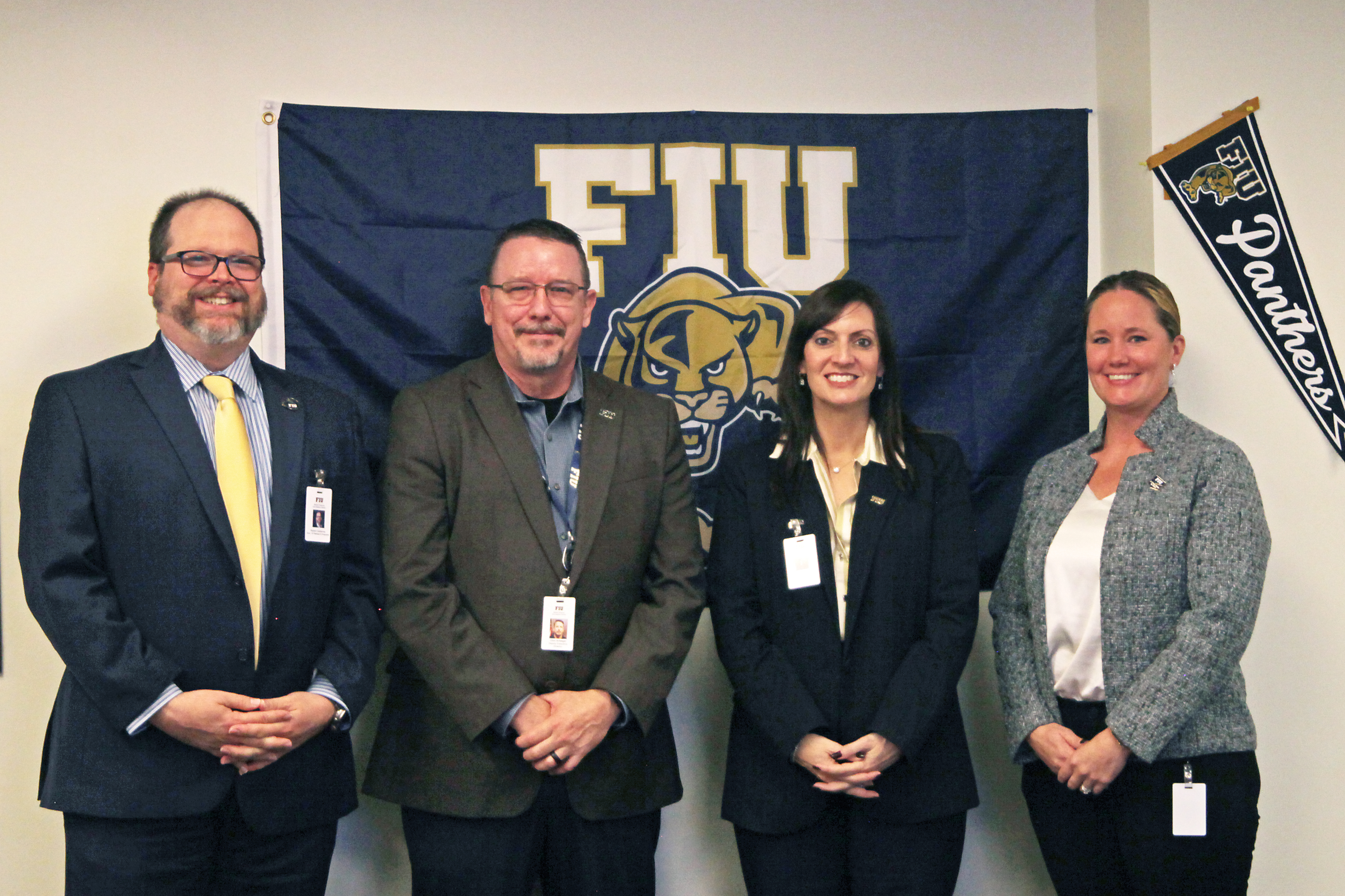
On January 1, 2018, NFSTC began a new chapter as part of Florida International University, bringing more than two decades of applied forensic science experience, nationally recognized programs and established government partnerships into one of the nation’s largest public research universities.
Joining FIU created new opportunities to connect NFSTC’s practitioner-focused expertise with university research, academic resources and interdisciplinary collaboration while preserving the mission-driven approach that had defined NFSTC since its founding.
The transition also positioned NFSTC to pursue increasingly complex programs and partnerships. Its established capabilities in forensic science, professional training, technology evaluation and operational support could now be combined with the broader resources of a major research institution to address emerging challenges across justice, public safety and national security.
NFSTC had a new home. Its mission kept moving forward.
$80+M
in research awards since joining FIU
The Mission Continues
1995 → TODAY
More than 30 years after its founding, NFSTC continues to evolve alongside the forensic science community and the missions it serves.
Today, NFSTC delivers specialized training and workforce development, evaluates emerging technologies, provides scientific and technical expertise, and supports complex operational programs for partners across the United States and around the world. Its work reaches from the laboratory and crime scene to classrooms, field environments and national security missions, wherever forensic science can help strengthen capabilities, inform decisions and advance justice.
30+ YEARS Forensic Science Expertise • 100,000+ SQ. FT. Largo Facility • GLOBAL REACH U.S. & International Partners • ONE MISSION Science Serving Justice
The tools have changed. The technologies have advanced. The missions have grown more complex.
But the idea at the heart of NFSTC remains remarkably close to the one that started it all in 1995:
Do good things.
For science. For the mission. For justice.