
Science Behind the Analysis
Forensic chemistry plays a critical role in identifying, characterizing, and understanding materials encountered during investigations and operational activities. Through scientific principles and analytical technologies, forensic professionals can examine unknown substances and generate information that supports informed decision-making.
At the National Forensic Science Technology Center (NFSTC), we connect forensic chemistry expertise with practical applications through specialized training, technical assistance, and technology evaluation.
Our focus is on strengthening the understanding and effective application of forensic chemistry technologies across investigative, public safety, and mission-focused environments.
Where Science Meets Application
Understanding a technology's capabilities is only part of the equation. Organizations must also consider its limitations, appropriate applications, and performance under the conditions in which it will be used.
NFSTC combines scientific knowledge with operational experience to help organizations understand analytical methods, evaluate emerging technologies, and prepare personnel to use forensic chemistry tools effectively.
Whether supporting laboratory-based activities or field-deployable technologies, our approach emphasizes sound scientific principles, practical considerations, and solutions aligned with operational requirements.
We help bridge the gap between scientific capabilities and real-world operational needs.
Our Forensic Chemistry Capabilities
NFSTC supports the practical application of forensic chemistry through scientific expertise, specialized instruction, and technical guidance. Our work helps organizations understand analytical technologies and apply them effectively in investigative and operational environments.
Chemical Identification & Analysis
Understanding the chemical composition of unknown materials is fundamental to forensic investigations. NFSTC supports the application of analytical principles and identification technologies, helping organizations understand instrument capabilities, interpret findings, and recognize the limitations of different methods.
Field Detection Technologies
Portable and field-deployable technologies can provide valuable information during investigative and operational activities. NFSTC supports equipment familiarization, technology evaluation, and practical applications involving chemical detection and identification tools, with an emphasis on appropriate use and operational considerations.
Analytical Methods & Applications
Different analytical approaches offer distinct strengths and limitations depending on the materials, testing conditions, and investigative objectives involved. NFSTC connects scientific methods with practical applications through technical guidance, specialized training, and an understanding of operational requirements.
From Laboratory to Field
Forensic chemistry technologies are increasingly used beyond traditional laboratory environments. Portable analytical instruments and field-deployable detection systems allow personnel to obtain valuable information in settings where time, environmental conditions, and operational requirements can influence how technologies are used.
NFSTC helps bridge the gap between laboratory-based scientific principles and field applications through technical expertise, specialized training, and technology evaluation.
Our approach considers the practical challenges associated with deploying analytical technologies, including instrument capabilities, environmental influences, user proficiency, and the limitations of different detection and identification methods.
By connecting sound science with operational experience, NFSTC helps organizations make informed decisions about the technologies and techniques they rely on.
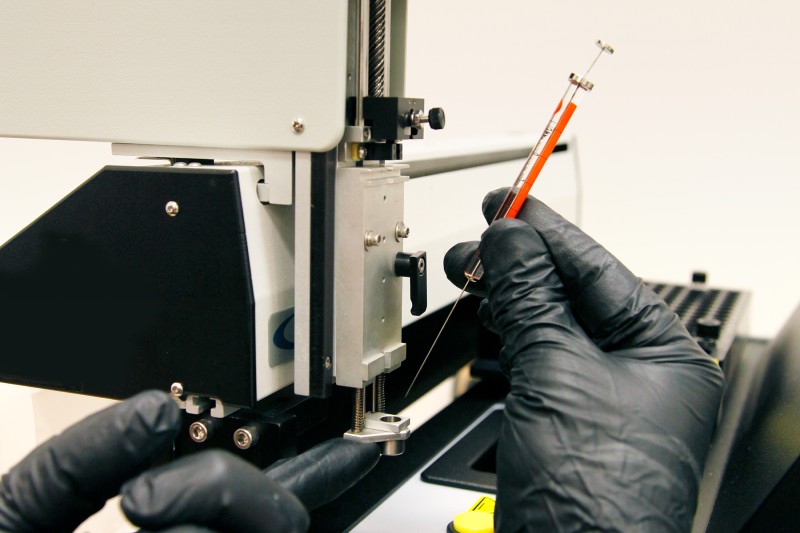
Technology Evaluation & User Experience
Effective chemical detection and identification technologies must deliver meaningful results while meeting the practical needs of their users. NFSTC examines technical performance and operational considerations to help organizations understand how analytical tools function in their intended environments.
Analytical Performance
Evaluate the capabilities and limitations of chemical detection and identification technologies, including relevant performance characteristics, testing conditions, and factors that may influence analytical results.
User Experience & Usability
Examine how personnel interact with analytical instruments, including ease of operation, training requirements, workflow considerations, and the ability to use technologies effectively in relevant operational settings.
Operational Suitability
Assess practical considerations such as environmental influences, portability, deployment requirements, and equipment limitations to help determine how technologies align with specific mission needs.
Supporting the Technology Lifecycle
Advancing analytical technologies requires an understanding of both scientific performance and practical application. From early development through operational use, organizations benefit from objective technical insight that helps identify capabilities, limitations, and opportunities for improvement.
NFSTC supports technology developers, government agencies, and other partners through specialized expertise in forensic chemistry, analytical methods, and field-deployable detection and identification systems.
Our work can help organizations characterize technology performance, examine operational requirements, and identify considerations that inform future development, acquisition, training, and implementation decisions.
By connecting scientific evaluation with practical experience, NFSTC helps bridge the gap between emerging technologies and effective operational capabilities.
From Concept to Capability
Explore & Assess
Examine emerging technologies, analytical approaches, and intended applications to better understand technical capabilities and evaluation needs.
Evaluate & Refine
Assess performance characteristics, user considerations, and operational limitations to generate findings that can inform technology development and refinement.
Prepare & Implement
Support technology familiarization, specialized training, and practical application to help organizations prepare personnel and integrate analytical capabilities into their operations.
Let's Discuss Your Technical Needs
Whether you're evaluating an emerging chemical identification technology, exploring analytical capabilities, or preparing personnel to use specialized equipment, NFSTC can help you identify an approach aligned with your objectives.
Our team combines forensic chemistry expertise, technical evaluation capabilities, and operational experience to support government agencies, technology developers, and organizations facing complex scientific challenges.
Connect with NFSTC to explore how our expertise can support your mission.
Explore Our Technical Capabilities
NFSTC's forensic chemistry expertise extends beyond analytical methods and training to include objective testing and evaluation of emerging and established technologies.
Our Testing & Evaluation services help organizations understand technology performance, identify capabilities and limitations, and assess suitability for intended operational applications.
Explore our testing and evaluation capabilities or review a sample evaluation report to see how NFSTC communicates technical findings that support informed decision-making.